
Earth Day, celebrated annually onApril 22, is a global reminder that caring for the Earth is not a single-day commitment, but an ongoing responsibility rooted in how we live, gather, and honor the world around us.
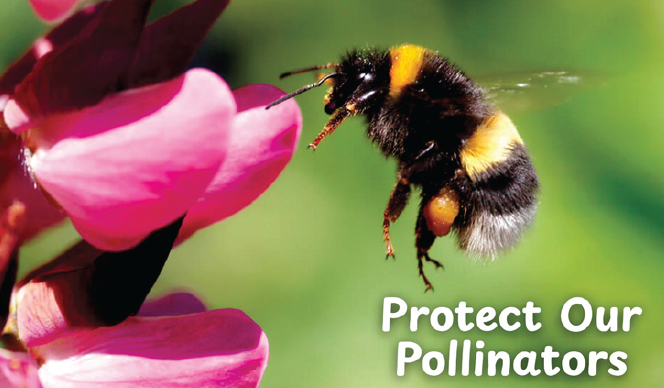
At WorldBeat Cultural Center, this year’s Earth Day Festival on April 19th carried that spirit forward through our theme of protecting native pollinators—tiny yet essential relatives in our shared ecosystem. Just days ago, our community came together in celebration, learning, music, and cultural expression, reaffirming that to care for the Earth is to care for all living beings.
We were honored to welcome our keynote speaker, Kemi Pavlocak, whose work as a beekeeper and educator brought deep awareness to the importance of San Diego’s native bees. While many are familiar with the
European honeybee, our region is home to hundreds of native species that play an equally vital role. Among them are the California carpenter bee, known for its strong pollination abilities and solitary nature; the metallic green sweat bee, a small, iridescent pollinator often seen visiting native flowers; and the blue orchard bee, a gentle and highly efficient pollinator of fruit trees.
These native bees do not live in large hives but instead nest in the ground or in small cavities, reminding us that biodiversity thrives in many forms beyond what we typically recognize.
Pollinators extend far beyond bees. Butterflies, hummingbirds, moths, beetles, and even bats contribute to the reproduction of flowering plants and the foods we rely on every day. In many traditional cultures, these beings are seen not only as ecological partners but as spiritual messengers— symbols of transformation, resilience, and harmony. At WorldBeat Center, we uplift this understanding through our cultural lens, recognizing that environmental stewardship is deeply intertwined with ancestral knowledge, food traditions, and the rhythms of nature.
Protecting pollinators can begin with simple, everyday actions. Planting native, pesticide-free gardens, leaving patches of bare soil for ground-nesting bees, providing water sources, and supporting local growers all make a
meaningful difference. Choosing to grow or purchase heirloom and native plants—like those featured in our community garden programs—helps sustain pollinator habitats while preserving cultural foodways. Even small spaces, such as balconies or windowsills, can become sanctuaries for pollinators when planted with intention.
For those looking to deepen their knowledge and take action, organizations like the Xerces Society for Invertebrate Conservation and the California Department of Food and Agriculture offer valuable resources on pollinator protection, habitat restoration, and sustainable practices.
As we reflect on this year’s Earth Day, we invite our community to carry these lessons forward. The Earth is our shared home—and through culture, education, and collective care, we can continue to nurture a future where both people and pollinators thrive together.



