
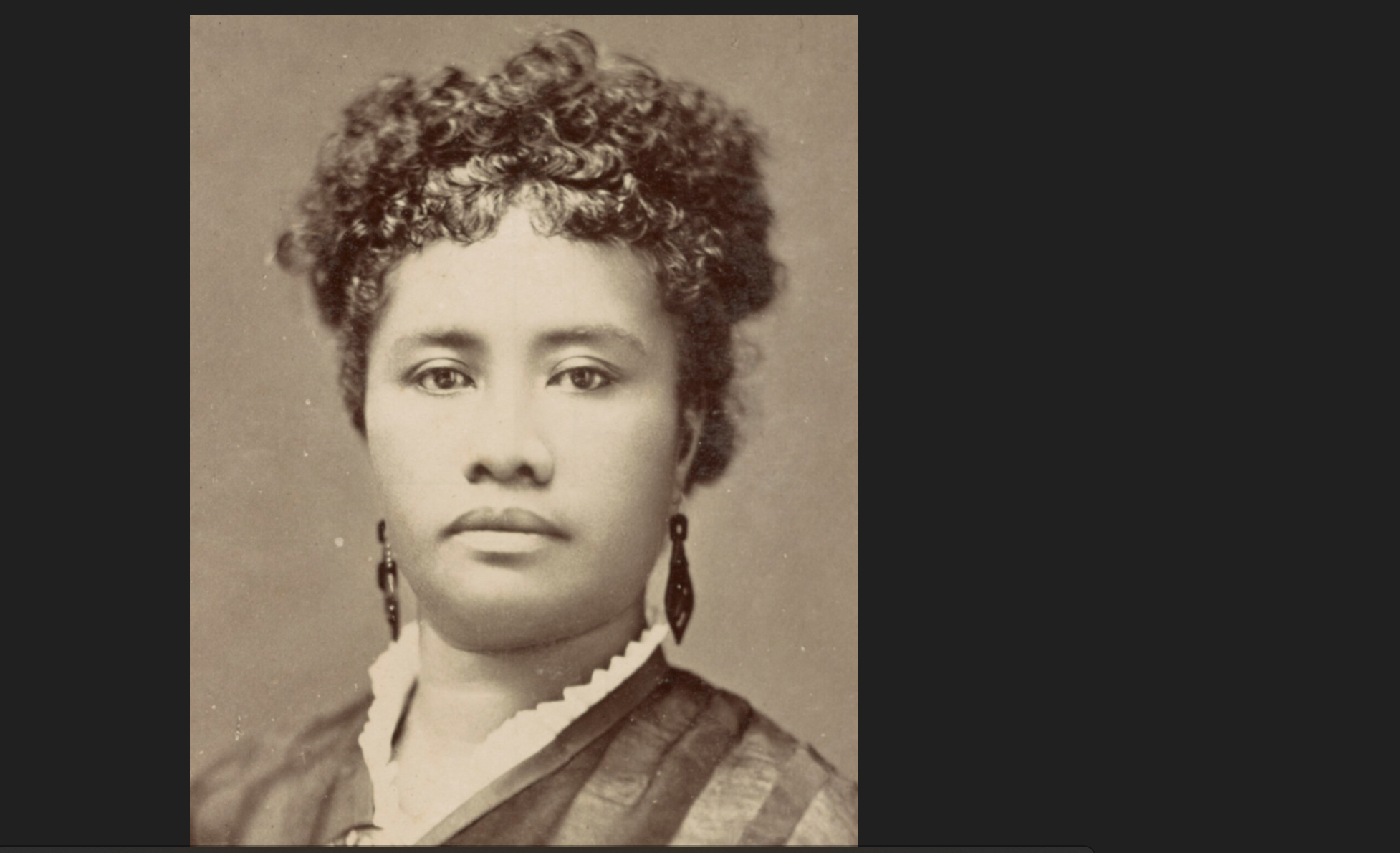
Photo: Queen Lili'uokalani, last monarch of Hawai'i who wrote songs celebrating Hawai'ian sovereignty as it was being destroyed by outsiders.
Last month we reflected on the strategic roles that protest music has played in the civil rights histories of the United States. Along with Negro Spirituals, among the earliest recorded protest music Hawaiian protest songs, or mele kūʻē (songs of resistance), have been a vital, long-standing tradition expressing aloha ʻāina (love for the land), sovereignty, and unity against injustice. Themes in Hawaiian Protest Music include Land Rights and Protection (songs often address the protection of sites like Mauna Kea and Kahoʻolawe), Sovereignty (Ea) reclaiming the independence of the Hawaiian Kingdom, Anti-Gentrification resisting over-development and high costs of living, and Cultural Preservation promoting the Hawaiian language, culture, and connection to the land. From prayers and storytelling folk songs to anti-war anthems to spoken-word and hip-hop to music that sparks our spiritual awareness, below we recognize some of the music that has fueled the call to action for American Indigenous peoples over the last 150 years:
1878
Queen Liliʻuokalani, “Aloha ʻOe”: Composed by Queen Liliʻuokalani who was inspired by a notable farewell embrace given by Colonel James Harbottle Boyd after a horseback trip, today it is often viewed as a poignant, emotional protest against the loss of her kingdom.
1893
Eleanor Prendergranst, “Kaulana Nā Pua”: Known as “Famous are the Flowers,” the “Stone-eating Song,” and ʻMele Aloha ʻĀina,” it was written to support the Royal Hawaiian Band who refused to sign an oath of allegiance to the provisional government after the overthrow of Queen Liliʻuokalani. It is still popular in Hawaii today, although it is not clear how many non-Hawaiian speaking listeners are aware of the song’s historical significance or the profound antipathy to U.S. annexation in its lyrics.
1894
Negro Spiritual, “Swing Low Sweet Chariot”: As abolitionist Harriet Tubman guided Black people to freedom along the Underground Railroad, she sang certain spirituals to signal it was time for escape. Among Tubman’s favorites was reportedly “Swing Low, Sweet Chariot.” The melody was a signal that the time to escape had arrived. The “sweet chariot” represented the Underground Railroad, swinging low—to the South—to carry them to the North. The song, which is still commonly sung in Black churches, was performed at Tubman’s funeral in 1913. Originating in the 1860s, the earliest known recording of the song was in 1894.
1895
Queen Liliʻuokalani, “Ke Aloha O Ka Haku” (“The Queen’s Prayer”) was written in 1895 while the Queen was imprisoned, this hymn is a prayer both of lament and of profound compassion and forgiveness.
1900
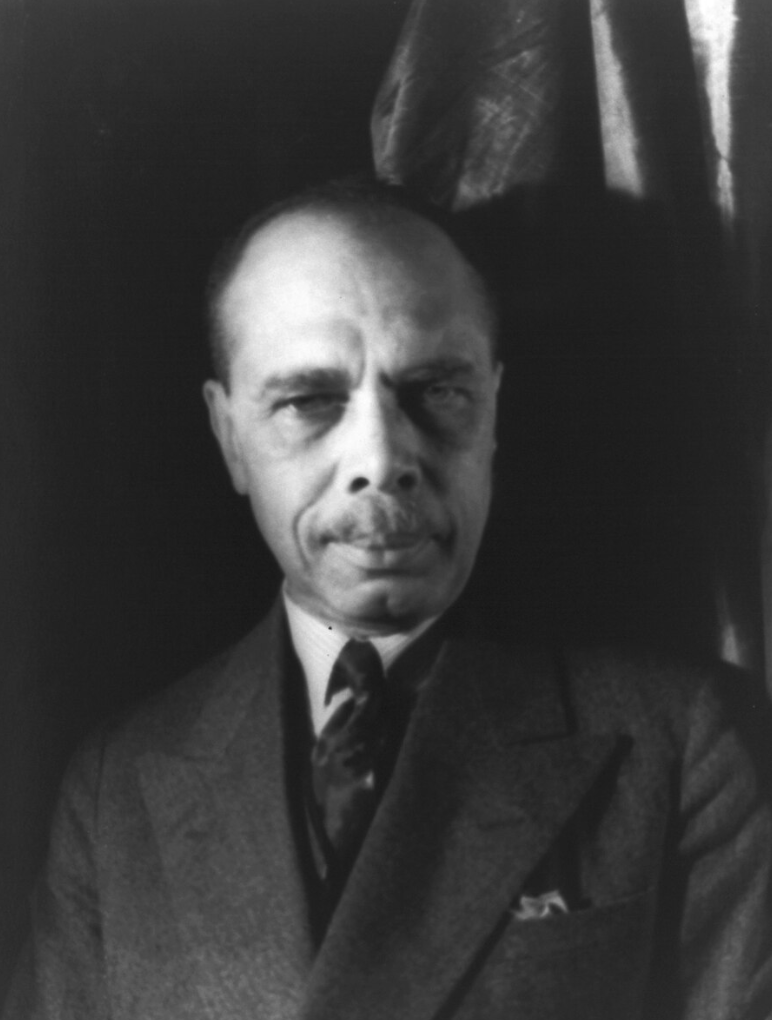
John & James Johnson, “LIft Evʻry Voice and Sing”: The lyrics were recited by 500 schoolchildren on February 12, 1900, in Jacksonville, Florida to celebrate President Abraham Lincoln’s birthday. James Johnson struggled to write lyrics that spoke to the traumatic yet triumphant lives of his ancestors, and he later became a leader of the NAACP. The song became popularly known as the “Black National Anthem,” and is still sung at significant Black functions to this day.
1939
Abel Meeropol, “Strange Fruit”. Meeropol was driven to write the lyrics after seeing a photo of two Black men who had been lynched in Indiana. The eerie, mournful lyrics never call out lynching explicitly, but use a painful metaphor to describe the horrible terror that ravaged Black communities in the South.
1962
Peter LaFarge, “The Ballad of Ira Hayes”: Peter LaFarge was perhaps the first folk musician to give voice to Native issues back in the heyday of musical poetry and protest. A descendant of the Narragansett nation, LaFarge lived in Greenwich Village during the 1960s. He wrote “The Ballad of Ira Hayes”, the story of Ira Hayes, a soldier from the Pima nation, and one of the six United States marines immortalized in the raising of the U.S. flag in Iwo Jima during the Second World War. The song begins with the plight of the Pima people, who were driven into poverty through colonization: “When the war came, Ira volunteered/ and forgot the white man’s greed.” Hayes fought bravely in Iwo Jima, and was celebrated for a short time, only to go home and not be accepted by his own people for what he had done. He went into a downward spiral, and later died from alcohol poisoning. An ironic and grim look into the life of a man shortly praised as a war hero, fighting for a country that forced his people into poverty, and his fall from grace. LaFarge’s ballad was released in ‘62, but didn’t garner mainstream attention until it was covered by Johnny Cash in ‘64. Since then it has been covered again by the likes of Bob Dylan, Pete Seeger, Townes Van Zandt, Kris Kristofferson and many others.
1964
Buffy Sainte-Marie, “Universal Soldier”: Like “The Ballad of Ira Hayes”, Plains Cree songwriter Buffy Sainte-Marie’s “Universal Soldier” wasn’t popular upon its original 1964 release. It became a hit a year later when psychedelic folk artist Donovan covered it. The now infamous anti-war classic comes from Sainte-Marie’s debut album, It’s My Way!, and describes an everyman’s soldier, with unspecified age, religion or nationality, who is “the one who gives his body as a weapon to a war.” The song’s timeless message made “Universal Soldier” an international anthem against war, having been covered in many languages, including Finnish, Dutch, German, Polish and even the Sami language. Buffy Sainte-Marie is the first American indigenous to receive an Oscar Award. As part of the “Sixties Scoop” a Canadian government policy started in 1951 by which indigenous children were taken from their families, communities, and cultures for placement with families that were not of First Nations heritage, at the age of two or three she claimed to have been taken from her natural Cree parents in Piapot Plains Cree First Nation Reserve in the Qu’Appelle Valley of Saskatchewan. Raised in Maine, Sainte-Marie considers herself to be fortunate in that her adoptive mother, who was part Mi’kmaq, encouraged her daughter to explore her indigenous identity.
1968
James Brown, “Say It Loud” affirmed Black people all across the world.
1969
The Band, “The Night They Drove Olʻ Dixie Down”: Six Nations’ most prolific export, Mohawk singer-songwriter Robbie Robertson of the Band, wrote one of the most influential songs in rock history: “The Night They Drove Ol Dixie Down”. The anthem highlights the end of the American Civil War and has been featured in numerous lists, including Rolling Stone’s 500 Greatest Songs of All Time, Pitchfork’s 200 Greatest Songs of the 1960s, Time Magazine’s All-Time 100 Songs, and the Rock and Roll Hall of Fame’s 500 Songs that Shaped Rock and Roll. It has also been covered many times by artists like Johnny Cash, the Black Crowes, the Jerry Garcia Band and most famously by folk singer Joan Baez.
1970
Jimi Hendrix, “Machine Gun”: The legendary Jimi Hendrix, of Cherokee and Mexican descent, wrote the anti-war song “Machine Gun” for his 1970 album Band of Gypsies. Hendrix had performed the song at various lengths and versions, but always remained true to the guitar effects that he pioneered, with his riffs mimicking the sounds of war — gunshots, explosions and screams. Although the song is a loose statement on the Vietnam War — like “Universal Soldier” — it is ubiquitous to conflict anywhere. The lyrics point out the cowardice behind the use of guns and bombs in warfare against the common man, and the painful effects it has on victims and their families.
1973
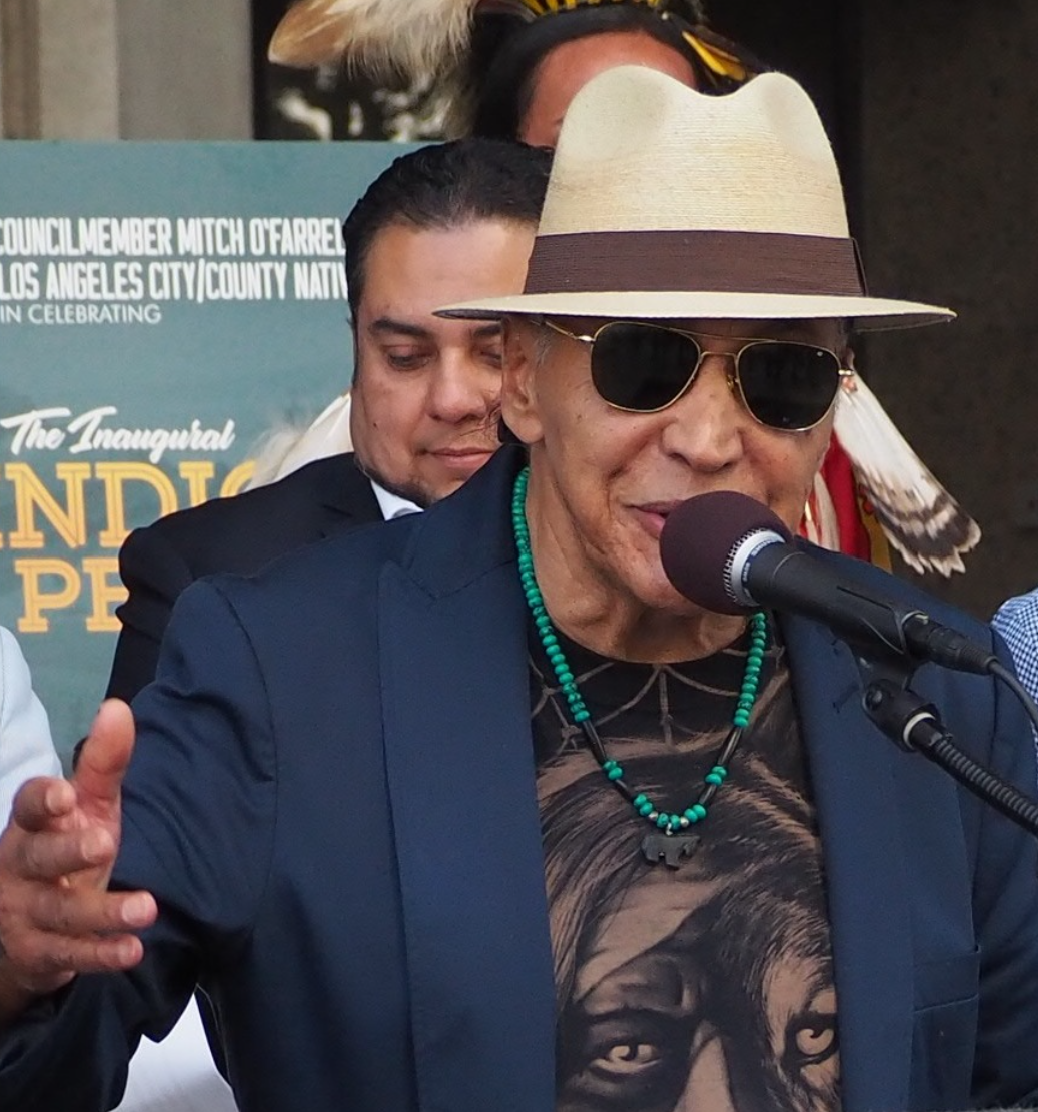
Redbone, “We Were All Wounded at Wounded Knee”: All-Native rock and funk group Redbone, best known for the classic “Come and Get Your Love”, didn’t receive any love from the U.S. charts when the band released its single “We Were All Wounded at Wounded Knee” in 1973. Perhaps retelling the massacre of the Lakota Sioux by the 7th Cavalry Regiment was a bit too controversial for the American charts, but the single hit No. 1 in the Netherlands and charted in a number of European countries. The song’s lyrics tell us that we have not forgotten the history and intergenerational aftermath of the Wounded Knee Massacre, but those “who were not wiped out by the 7th Cavalry” will “sing, sing, sing out our story ‘til the truth is heard.”
Willie Dunn, “I Pity the Country”: Mi’kmaq filmmaker and singer-songwriter Willie Dunn often featured Native issues in his work, but his most prolific protest song was “I Pity the Country”, released as a single in 1973. It opens with the lyrics, “I pity the country/ I pity the state/ and the mind of the man/ that thrives on hate,” and continues to list the many ways society has rejected Indigenous peoples in Canada. Dunn calls out the broken relationship between government and the people, and leaves us with the sense of a man worn down from the many injustices the country has placed upon him. It’s a simple song, but it applies to the strife many oppressed communities deal with daily.
1977
Liko Martin, “All Hawaiʻi Stand Together” premiered on the first “Sovereignty Sunday” at Iolani Palace and reflects the spirit of the Hawaiian renaissance and unity encouraging Hawaiians to recognize their kuleana (responsibility) towards their land and culture. It also reflects the values of lōkahi (unity) and ‘aloha ‘āina (love for the land) that are central to Hawaiian identity. The powerful anthem for Hawaiian unity remains a vital part of Hawaiian music and is often performed at cultural gatherings and rallies, reinforcing the message of unity and collective responsibility among the Hawaiian community.
1978
Israel “IZ” Kamakawiwoʻole, “Hawaiʻi ‘78” highlights the devastation of the land and questions what the ancestors would think of the modern state of Hawaii.
1984
U2, “Pride (In the Name of Love)” themed on Martin Luther King Jr became the Irish band’s first Top 40 hit. For this song and “MLK” on the same 1984 album, lead vocalist Bono received the highest honor of the King Center for Nonviolent Social Change.
1992
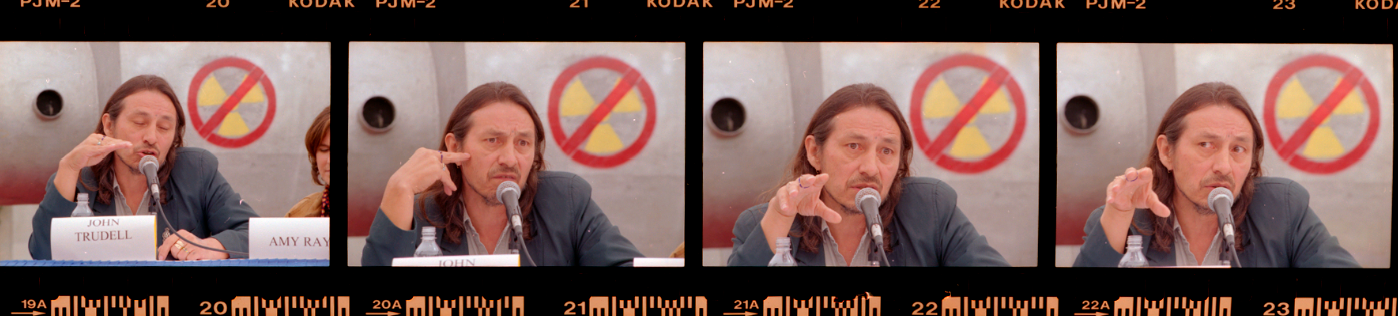
John Trudell, “Bombs over Baghdad”: Legendary poet, writer, actor, musician and activist John Trudell’s entire career was a resistance to colonialism. Whether he was directly on the front lines or in solitude with a pen and paper, Trudell covered ground in many different areas to raise awareness on Indigenous issues. Trudell’s AKA Grafitti Man was a spoken-word rock album that was initially released on cassette tape in 1986, then later re-recorded and released again on CD in 1992. His single “Bombs Over Baghdad” was a classic protest song off of the album. Trudell’s lyrics speak to the blind obedience of people who are led to believe their fight will result in freedom, and calls out the hypocrisy of using violence to achieve peace.
1995
Aztlan Underground, “Decolonize”: Los Angeles-based Indigenous hip-hop/punk fusion group Aztlan Underground might have released its debut album, Decolonize, more than 20 years ago, but the message behind this and all of the band’s subsequent works remains the same: from calming poetry that speaks to spirituality and connection, to the raw and intelligent retelling of history, to the angry testaments of the mistreatment of Native people and injustice to the Earth, Aztlan Underground takes us through all the emotions Indigenous people feel on a very deep level.
2013
Drezus, “Red Winter”: The Idle No More grassroots movement that began in late 2012 saw hundreds of thousands of Native people and allies marching and round dancing across the world in protest to Canada’s omnibus Bill C-45 that impeded on Indigenous treaty rights and protection of the land and water. If you were marching up on Parliament Hill at the time, you can remember wading through the freezing cold snow in support of Attawapiskat Chief Theresa Spence’s hunger strike and to protest Bill C-45. Plain Cree-Saulteaux rapper Drezus released “Red Winter” in response to the movement, a song that captures the determination in the hearts of every person who raised their voices to say we are Idle No More.
2016
A Tribe Called Red, “We are the Halluci Nation” is a call for connection and social justice than it is made up of songs of protest, but what good is protesting without unity and inclusion?
The concept album introduces us to the Halluci Nation, an inclusive nation of spiritually woke revolutionaries ready to challenge the establishment (the ALie Nation), who see that “all the things of the Earth and in the sky have energy to be exploited, even themselves, mining their spirits into souls sold.” The album raised Indigenous voices to new heights, and features collaborations with artists from around the globe, including Leonard Sumner, Tanya Tagaq, John Trudell, Lido Pimienta, OKA, Yasiin Bey, Narcy, Maxida Mark and many others. Each single addresses layers of colonialism today: “Virus”, featuring Saul Williams and the Chippewa Travellers, likens colonization to a rapidly spreading virus; “R.E.D”, featuring Yasiin Bey, Narcy and Black Bear, addresses the borders that separate us; the effects of intergenerational trauma are laid out in “How I Feel”, featuring Leonard Sumner.
2017
Sudden Rush, “Overthrow” EP album focusing on indigenous sovereignty featured nā mele paleoleo (spoken word/hip hop).
2019
Hinaleimoana Wong, “Kū Hāʻaheo” is an anthem for the Mauna Kea movement, it calls for protection of the sacred mountain against telescope construction.


.jpg)
