
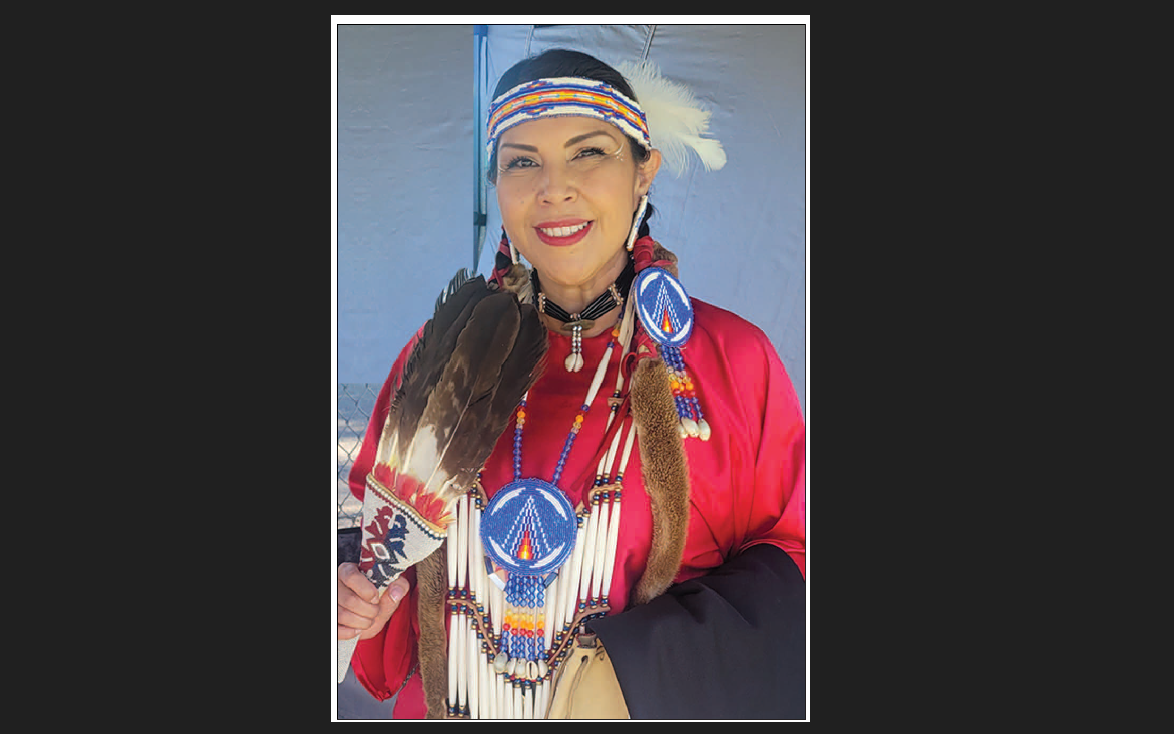
Photo: Melissa Pasadena, Indian Voices Las Vegas/Nevada
Naw Phaw and Melissa Pasadena walk the same sun-drenched streets of San Diego, yet their paths have never crossed. Though they come from different worlds—one a Karen refugee from Myanmar, the other a Cheyenne dancer on Tongva land—they move to the same quiet rhythm of resilience. Their lives unfold as separate chapters in a shared story of restoration, revealing that while their origins differ, their search for a safe harbor is profoundly alike.
On March 8, within the vibrant walls of the World Beat Center in Balboa Park, nearly 50 journalists, artists, and community leaders gathered under leadership of Indian Voices editor Rose Davis, to build something tangible: a more unified future. This convening marked a foundational moment for the SoCal Indigenous Media Consortium (SIMC), an emerging network shaped by shared commitments to community healing, self-reliance, and cultural resilience
The afternoon’s dialogue grounded present efforts in historical urgency. When Eric Ortega of Rez Radio recalled the 19th-century resistance of Cupeño chief Antonio Garra, he did more than recount the past—he pointed to the enduring first steps of collective recovery. Makeda Dread Cheatom, founder of the World Beat Center and host of the gathering, echoed this call, urging displaced communities to step forward and fill the gaps left by generations of disruption.
For Pasadena and Phaw, that call is already being answered in the quiet practices of daily life—through a rhythm that transcends borders. The deep, grounding pulse of the Native American drum finds an echo in the resonance of the Karen bronze Phar Si. In both traditions, sound becomes a form of memory, carrying history and spirit across generations. This shared rhythm is more than performance; it is a living foundation for cultural continuity and collective strength.
Sanctuaries of the Spirit
That rhythm is anchored in a profound sense of place. For Pasadena, the ancestral land of Puvungna remains a site of prayer and remembrance beneath the surface of the modern city. For Phaw, that same spiritual grounding flows from the Dawna Mountains of her homeland in Myanmar. Though far from these origins, both women carry their geographies within them. In San Diego, they transform displacement into stability by rooting themselves in memory and meaning.
Phaw also draws strength from her Buddhist faith, where stillness becomes a form of resilience. In moments of conflict, her community chose compassion—offering care to wounded soldiers rather than retaliation. This ethic of quiet generosity mirrors values long held in many Indigenous traditions, where balance and respect guide responses to hardship.
The Medicine of Tradition
For both women, culture is not a relic of the past but an active form of healing. Pasadena finds restoration in speaking her mother tongue—a practice once interrupted, now reclaimed and passed forward. For Phaw, this nourishment lives in the naming of her children and the deliberate passing on of Karen identity. These acts, though intimate, carry generational weight. They reflect a shared understanding: that true restoration begins with the daily work of remembering and renewing.
Embodied Prayer in Motion
In dance, memory becomes visible. When they perform at cultural gatherings, Pasadena and Phaw step beyond themselves, becoming vessels of continuity. Whether through the meditative cadence of the Jingle Dance or the flowing precision of the Karen Done dance, each movement speaks to ancestors and future generations alike. These are not simply performances, but embodied prayers—honoring land, water, and spirit while resisting cultural erasure.
A Shared Journey Toward Unity
Both women practice a form of radical hospitality, meeting the wounds of history with compassion and care. Their lives demonstrate that resilience is not only survival, but the ability to remain open—to community, to memory, and to one another.
They continue their separate journeys through the same San Diego neighborhoods, guided by a shared rhythm that has yet to bring them face to face. But their convergence feels less like coincidence than inevitability—a quiet alignment shaped by history, culture, and the enduring work of community.
When they do meet, it will not simply be an encounter between two individuals, but a recognition: of shared spirit, shared struggle, and a shared heartbeat that has been there all along, one that also carries their communities into a wider embrace.


